
Brainspotting
So What is Brainspotting…
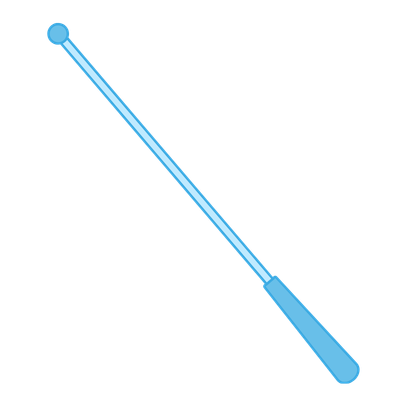
Brainspotting was coined by Dr David Grand in 2003 when working with a 16 year old skater who could not master the triple loop. He noticed that her eyes froze in the same spot, and by holding her gaze in the “brainspot”, she was able to release the hold and master the triple loop.
What is going on behind the scenes is that the brain holds traumatic memories and experiences in the subcortical region, which is engaged 24/7 in case a survival response is needed. When an overwhelming experience happens, the body is flooded with cortisol, our amygdala is activated for survival instincts to kick in, and our hippocampus (the sorting area) goes offline. Therefore, our memory and emotions can’t be date stamped and filed, but rather stay active in an unfiled trauma capsule that can be triggered and activated at any time.
What is Brainspotting Used For?
Trauma and PTSD Treatment: It can help to process, rather than just talk about traumatic memories, addressing them at their source in the subcortical brain.
Anxiety and Depression: It aims to reduce high levels of emotional distress, anxiety and depressive symptoms through increased regulation and release.
Physical and Somatic Pain: By focusing on the mind-body connection, it may alleviate chronic pain and body sensations related to emotional distress.
Unresolved Emotional Issues: It may address "stuck" points where traditional short sessions may be limiting, allowing for deeper and more targeted processing.
Performance Enhancement: It can be used to address phobias or performance anxiety in sports and creative fields.
Your body holds memory of the wound but also memory of the strength (or the hope or the possibility), so Brainspotting can support to tolerate and heal from intense emotions and feelings, but also to enhance or strengthen future possibilities. (Remember, sometimes we need to clear and sometimes we need to strengthen)
You are in charge when it comes to Brainspotting, and like the tail of a comet, the therapist stays behind your lead, letting your body and brain do what it actually knows how to do but got stuck. It’s like a mini and less active EMDR approach.
How Brainspotting Works
Locating "Brainspots": We guide you to identify a specific eye position—or "spot"—that correlates with a traumatic memory or distressing body sensation. This is often found by tracking involuntary eye movements or reflexes that occur when discussing, or focusing on, a painful issue.
Subcortical Access: Brainspotting bypasses the conscious, analytical neocortex to work directly with the deeper brain regions, including the limbic system, brainstem, and superior colliculi (which process visual, auditory, and pain information).
Deep Processing: By maintaining a fixed gaze on the specific point, your brain is activated to begin processing and reprocessing the stored information, allowing for emotional release without needing to verbalise. Much of this work is done in silence, with check-ins and direction as needed.
Dual Attunement: The process relies heavily on the therapist’s attuned presence, creating a safe, relational space (co-regulation) that helps your nervous system stabilise and heal.
Somatic Release: The technique focuses on the body-brain connection. It often involves tracking where in the body you feel your stress, aiming to discharge the tension to reach a calmer, regulated state.
By finding the associated Brainspot through your visual field, you are able to process your sensory information and allow the brain and body to heal from the overwhelming experience or trauma.
For further information, go to:
Or attend an introductory session yourself
Ready to "...rethink your potential™"?
If you’re ready to release what no longer serves you, work through a challenge, or open up to new possibilities, this may be the right moment to reach out for support.
Ready to "...rethink
your potential™"?
If you’re ready to release what no longer serves you, work through a challenge, or open up to new possibilities, this may be the right moment to reach out for support.